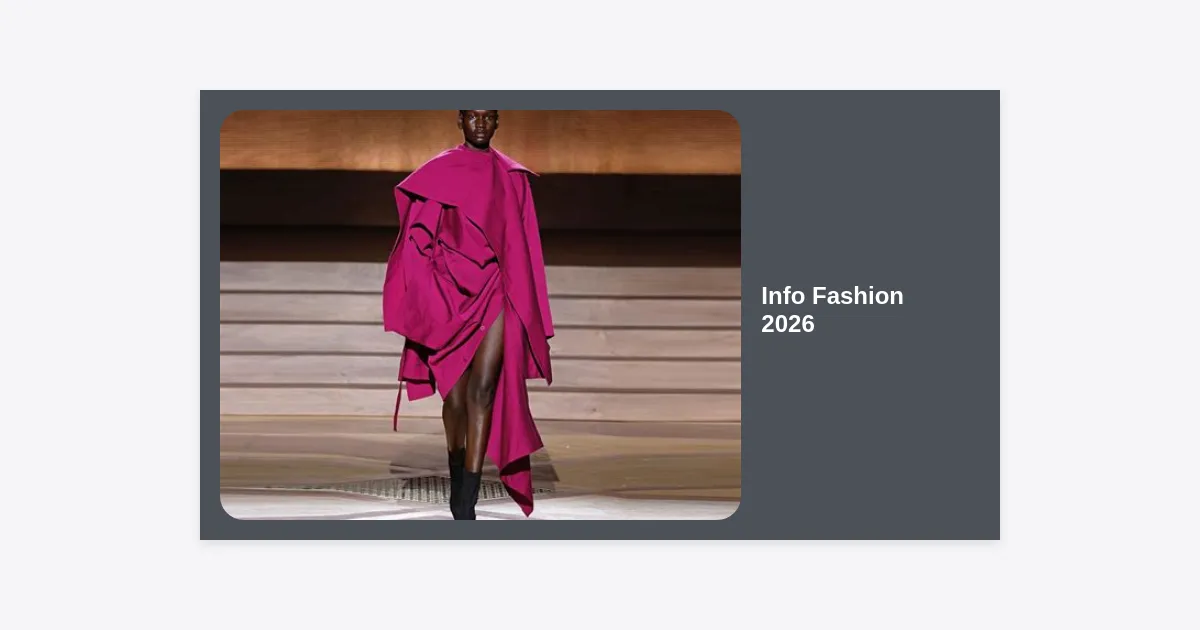
The fashion industry is no longer about seasonal shifts; it is about a total systemic transformation. As we look toward the horizon, Info Fashion 2026 reveals a landscape where technology and biology merge to create the most sustainable and personalized era of style yet.
Are you wondering how the global wardrobe is changing? If you are looking for the latest Info Fashion 2026 updates, you have come to the right place. The year 2026 marks a pivotal turning point for designers, retailers, and consumers alike. We are moving away from the era of hyper-disposable fast fashion and entering a period defined by ‘conscious innovation’ and ‘digital craftsmanship.’
In this comprehensive guide, we will analyze the key drivers of the 2026 season, from regenerative textiles to the rise of AI-driven personal styling. Whether you are a fashion professional or a style enthusiast, understanding these shifts is essential for staying ahead of the curve.
- 1. Macro Trends: The Big Picture for 2026
- 2. Color Palettes: The Psychology of the 2026 Spectrum
- 3. Sustainable Innovation and Regenerative Materials
- 4. The Phygital Era: AI and the Metaverse in Fashion
- 5. Changing Consumer Behavior: Value-Driven Luxury
- 6. The 2026 Essential Wardrobe: Key Pieces to Own
- 7. Conclusion: Preparing for the Future of Style
1. Macro Trends: The Big Picture for 2026
As we analyze the Info Fashion 2026 landscape, three major macro-trends emerge: Resilience, Symbiosis, and Hyper-Personalization. These aren’t just buzzwords; they represent the structural shifts in how clothes are designed and sold.
The Rise of ‘Bio-Tech’ Aesthetics
By 2026, the line between organic and synthetic will blur. Designers are increasingly using lab-grown materials that mimic the properties of nature while offering superior durability. We are seeing a move toward garments that can self-repair or adjust their thermal properties based on the wearer’s body temperature.
Quiet Luxury 2.0: Radical Transparency
The ‘quiet luxury’ movement of 2024 and 2025 is evolving. In 2026, it isn’t just about looking expensive without logos; it’s about ‘provenance.’ Consumers want to know the exact farm their wool came from. Brands that provide a full digital passport for every garment will dominate the market.
2. Color Palettes: The Psychology of the 2026 Spectrum
The colors of 2026 reflect a world seeking balance. After years of digital saturation, there is a return to ‘earth-grounded’ tones, contrasted with ‘luminescent artificials’ that represent our digital lives.
- Bio-Lime: A vivid, slightly acidic green that represents the intersection of nature and technology.
- Deep Oxygen: A calming, meditative blue that evokes a sense of space and clarity.
- Crushed Terracotta: A warm, grounding earth tone that speaks to our desire for physical connection and traditional craftsmanship.
- Digital Lavender: Returning in a more muted, metallic form to signify the growth of the virtual economy.
According to recent industry data, 64% of consumers now choose apparel based on the ’emotional resonance’ of the color, making these psychological associations more important than ever for retailers.
3. Sustainable Innovation and Regenerative Materials
Sustainability is no longer an option; it is a regulatory requirement in many regions. According to Info Fashion 2026 reports, the industry is shifting from ‘doing less harm’ to ‘doing more good’ through regenerative practices.
Mushroom Leather and Algae Textiles
Mycelium-based leathers (made from mushrooms) will hit mass-market price points by 2026. These materials offer the luxury feel of traditional leather without the environmental cost. Algae-based dyes are also replacing toxic synthetic chemicals, allowing for fabrics that are carbon-negative.
The Circular Economy and Recommerce
The resale market is projected to grow 5x faster than the traditional retail market by 2026. Major brands are now launching their own ‘pre-loved’ platforms. Strong brand loyalty will be built on how well a company manages the lifecycle of its products, from initial sale to eventual recycling.
4. The Phygital Era: AI and the Metaverse in Fashion
Artificial Intelligence is the most significant technological driver in Info Fashion 2026. It is transforming everything from the supply chain to the fitting room.
AI-Assisted Design
Generative AI allows designers to create thousands of iterations of a pattern in seconds, optimizing for both aesthetic appeal and minimal fabric waste. This reduces the ‘sampling’ phase of production, which historically has been one of the most wasteful parts of the industry.
Virtual Try-Ons and Digital Twins
By 2026, 3D body scanning will be a standard feature on most smartphones. This allows for ‘perfect fit’ technology, significantly reducing the return rates that plague e-commerce. Furthermore, many physical garments will come with a ‘Digital Twin’—a version of the item that your avatar can wear in virtual spaces.
5. Changing Consumer Behavior: Value-Driven Luxury
Modern consumers are more informed than ever. When searching for Info Fashion 2026, they aren’t just looking for styles; they are looking for values. Generation Alpha is entering the market with even stricter ethical standards than Gen Z.
“The consumer of 2026 views their wardrobe as an investment portfolio,” says lead trend analyst Dr. Elena Vance. “They buy fewer items, but those items must have high ‘cost-per-wear’ value and cultural significance.”
| Consumer Segment | Primary Motivator | Preferred Material |
|---|---|---|
| Eco-Guardians | Sustainability/Ethics | Regenerative Cotton |
| Tech-Early Adopters | Innovation/Utility | Smart Textiles |
| Heritage Seekers | Longevity/Quality | Artisanal Wool |
6. The 2026 Essential Wardrobe: Key Pieces to Own
If you are looking to update your style based on Info Fashion 2026 trends, focus on these five essential pieces that define the era:
- The Modular Trench: A coat with detachable sleeves and lining, designed to be worn in multiple climates and seasons.
- Smart Knitwear: Sweaters integrated with conductive fibers that can track health metrics or provide localized heating.
- Sculptural Footwear: Shoes created via 3D printing designed for the exact contours of the wearer’s foot, prioritizing ergonomic health.
- Biodegradable Denim: High-quality jeans made with plant-based stretch fibers (replacing spandex) that can fully compost at the end of their life.
- The Gender-Fluid Suit: Tailoring that ignores traditional gender binaries, focusing instead on adjustable silhouettes that flatter any body type.
7. Conclusion: Preparing for the Future of Style
The Info Fashion 2026 outlook is one of cautious optimism. While the industry faces challenges regarding climate change and economic shifts, the level of innovation we are seeing is unprecedented. We are moving toward a future where fashion is more inclusive, more sustainable, and more deeply integrated with our digital identities.
Key Takeaways:
- Prioritize materials that are regenerative or lab-grown.
- Look for brands that offer digital passports and transparency.
- Invest in modular, multi-functional pieces that extend the garment’s lifecycle.
- Embrace the ‘phygital’ by exploring how your style exists in both physical and virtual realms.
To stay ahead of these trends, you can download our full, detailed 100-page report on the 2026 season below.
About the Author: Our team of expert trend analysts has spent over a decade tracking the intersection of technology and apparel. This guide is based on data from global fashion weeks, textile innovation labs, and consumer sentiment surveys.